When NOT to Cache Database Query Results in Laravel
Caching in Laravel is very powerful, but it should not be used everywhere. Many beginners think “more cache = better performance”, but that is not always true.

Caching in Laravel is very powerful, but it should not be used everywhere. Many beginners think “more cache = better performance”, but that is not always true.
Caching is one of the easiest ways to make your Laravel application faster. If you’re just starting out, this guide will help you understand caching in a simple and practical…
If you’ve been learning Laravel recently, this post will help you quickly revise some important concepts in a simple and practical way.
How <x-app-layout> links to AppLayout.php component file in blade template? When you first start working with Laravel Blade components, you might run into something that feels a bit confusing
php artisan make:controller BookController –resource. What is this resource at end of artisan command? Let’s break it down in simple terms.
If you’re new to Laravel and working with Eloquent, you’ve probably seen two ways to “get unique records”: using distinct() or groupBy(). They may seem the same at first, but…
When you’re starting with Laravel, writing database queries using where conditions is very common. But as your project grows, you may find yourself repeating the same query logic again and…
Let’s take a look at this piece of code and understand it step by step:
When you’re working with Laravel, especially during testing or database seeding, you’ll often use factories to generate fake data. But sometimes, you don’t just want random data—you want specific types…
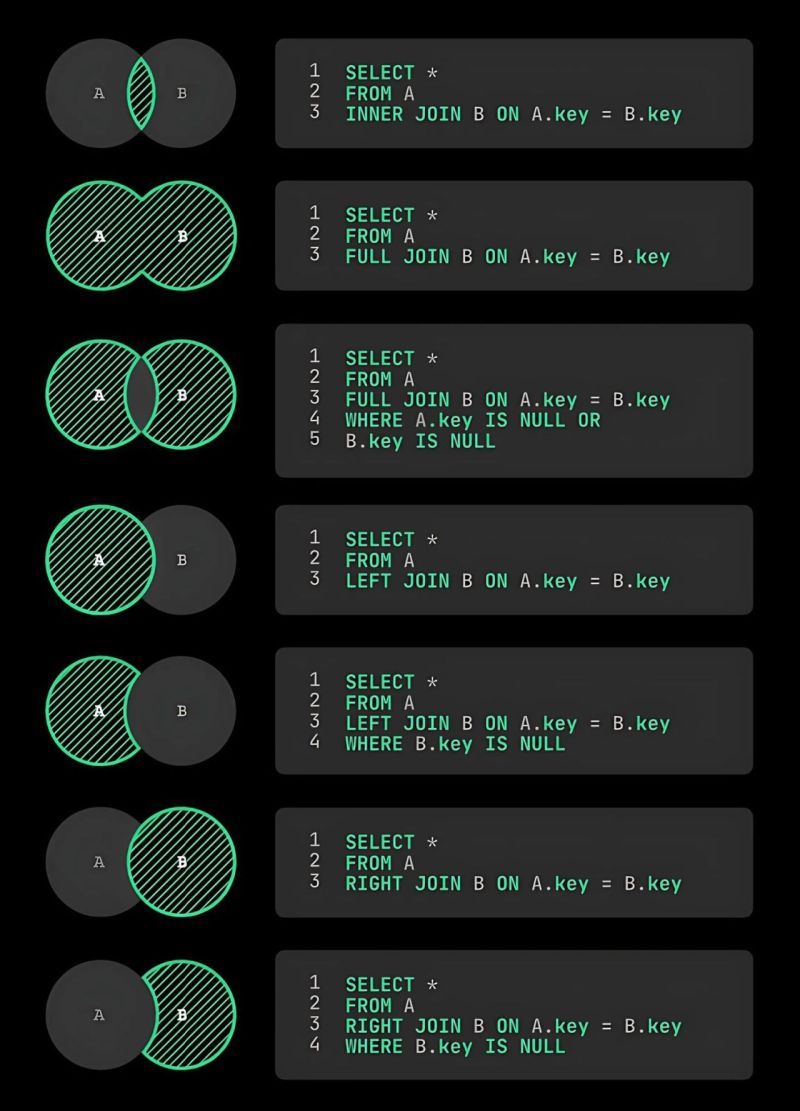
We have a classic one-to-many setup: one book → many reviews. I’ll give you a structured set of queries you can run step-by-step in SQLite to explore joins, aggregates, and…